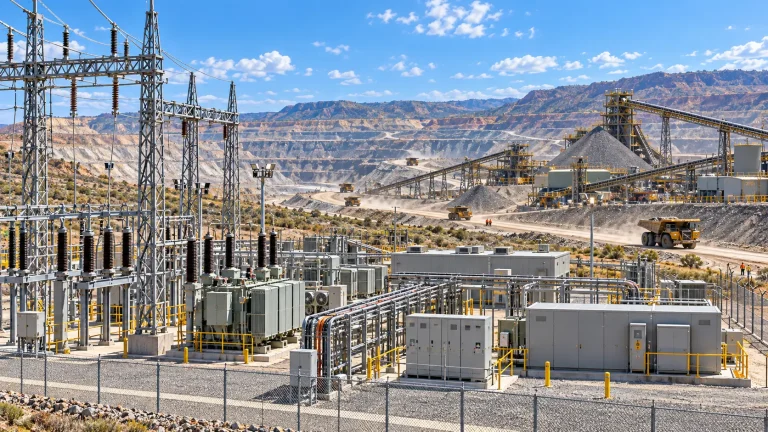
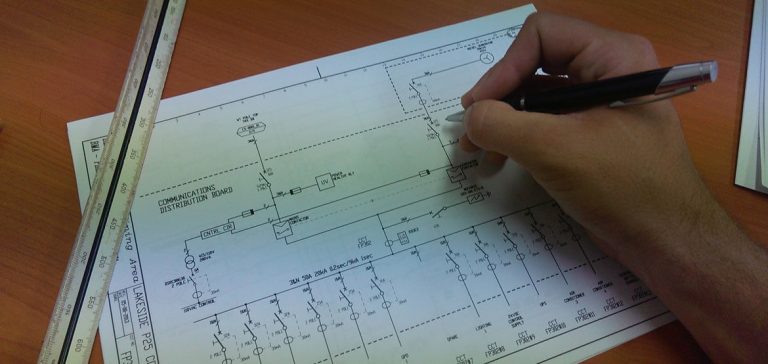
Every industrial project has a point where the schedule either stays under control or starts slipping. It often comes down to the quality of the engineering. Businesses looking for experienced electrical engineers in Brisbane usually face the same challenge. They need accurate designs, reliable drawings and practical advice before equipment is ordered or work begins on site. The best Brisbane electrical engineering companies help solve those problems before they become delays.
On mining sites, fuel terminals, water treatment plants and processing facilities, one missing design input can affect several trades. A larger than expected motor may require a different starter. That change can affect the switchboard, cable sizes, protection settings and procurement. If the issue is found after equipment arrives, the project schedule can quickly fall behind.
BRS Electrical works with industrial clients across Australia to identify these risks early and produce engineering documentation that supports construction, commissioning and long term operation.
Where Industrial Electrical Projects Lose Time
Delays rarely begin with one major mistake. More often, several smaller issues build up until work on site slows down.
A vendor may release updated equipment data after cable sizing has been completed. Existing drawings may no longer match the installed plant. Fault level information may still be under review while switchboard specifications are being prepared. None of these problems looks serious on its own. Together, they can delay procurement, fabrication and installation.
Brownfield projects add another layer of complexity. Existing infrastructure often includes undocumented modifications, obsolete equipment and limited shutdown windows. Design teams cannot rely on old drawings alone. They need to verify what is actually installed before detailed engineering begins.
A switchboard replacement at an operating mine is a good example. Before finalising the design, engineers may need to confirm available fault levels, spare breaker capacity, cable entry locations, protection settings and the sequence for isolating live equipment. Missing one of those details can lead to redesign work after procurement has already started.
How Electrical Engineering Brisbane Supports Project Delivery
The first step is confirming the information needed to complete the design properly.
That means checking equipment loads, reviewing vendor documentation, confirming operating conditions and agreeing on realistic delivery dates for engineering inputs. Once that information is available, the design team can develop drawings and calculations that other disciplines can rely on.
Electrical engineers also need regular coordination with mechanical designers, automation specialists, civil engineers and operations personnel. A mechanical equipment change can affect motor selection. A revised process layout can change cable routes. A new control philosophy may require additional field devices or communications infrastructure.
Resolving these issues during design is far easier than correcting them during construction.
BRS Electrical provides electrical engineering consulting services that support industrial projects from concept design through to commissioning.
Resolve Design Questions Before Procurement
Procurement should begin only after the major engineering decisions have been made.
Before placing equipment orders, the project team should confirm connected loads, supply voltages, equipment ratings, protection philosophy, cable routes, installation conditions and future expansion requirements.
Consider a pump station upgrade where the final process design increases the motor size from 75 kilowatts to 110 kilowatts. That one change may require larger cables, different protection settings, increased switchboard capacity and revised fault calculations. Finding the issue during detailed design is manageable. Finding it after the switchboard has entered manufacture can add cost and delay.
Long lead equipment such as transformers, switchboards and hazardous area equipment should never be ordered using preliminary design information.
Accurate Drawings Save Time on Site
Construction teams depend on engineering drawings every day.
If a cable schedule contains outdated equipment tags or a termination drawing does not match the control system, electricians stop work while clarification is requested. Even small drawing errors can slow several work fronts at once.
Site verification is one of the most effective ways to avoid these problems. Before detailed drafting starts, engineers should confirm equipment locations, cable routes, switchboard arrangements, spare capacity, access requirements and shutdown constraints.
The result is a drawing package that reflects the actual installation rather than assumptions made from old documentation.
BRS Electrical provides electrical drafting services for mining, oil and gas, water and wastewater, and industrial automation projects.
Coordinate Every Engineering Discipline Early
Electrical work depends on information from almost every other discipline.
A structural change may affect cable tray supports. Instrumentation updates may introduce additional field devices. A revised process layout may move equipment far enough to change cable lengths and voltage drop calculations.
These issues are easiest to resolve during design reviews.
Imagine a cable tray that clashes with new process pipework. On paper, the route can be adjusted in a matter of hours. If the clash is discovered after both trades have started installation, work may stop while drawings, materials and labour are reorganised.
Early coordination protects the schedule because every discipline is working from the same information.
Plan Brownfield Work Around Shutdowns
Brownfield projects require a different approach from new construction.
The plant may need to remain operational while investigations, design work and procurement continue. Existing equipment may have been modified several times over its life. Drawings may not reflect those changes.
Shutdown planning should begin during engineering.
The team needs to identify which equipment remains energised, which circuits require isolation, how temporary supplies will be provided and what testing must be completed before the plant returns to service.
For a switchboard replacement, engineers may also prepare staged changeover plans, temporary power arrangements, protection updates and commissioning sequences before work reaches site.
BRS Electrical has completed industrial upgrades including the HV Switchboard Upgrade and the BMA 6.6kV CPP Switchboard Upgrade.
Complete Power System Studies Before Commissioning
Electrical studies should support design decisions, not follow them.
Protection coordination, fault level calculations and power system modelling all influence equipment selection and commissioning activities. Leaving these studies until the final stages of a project often creates unnecessary delays.
Industrial projects commonly require load flow studies, protection coordination, arc flash assessments, motor starting studies, earthing assessments and equipment duty reviews. Completing this work during detailed design allows settings and equipment selections to be verified before installation begins.
BRS Electrical has delivered projects involving power system modelling, arc flash analysis and arc flash studies.
Industry Experience Solves Problems Faster
Industrial facilities rarely present textbook conditions.
A mining project may involve ageing switchgear that cannot be taken offline until a scheduled shutdown. An oil and gas facility may require hazardous area documentation before new equipment can be approved. A water treatment plant may need to stay operational while electrical upgrades are completed in stages.
Engineers who regularly work in these environments recognise these constraints early because they have dealt with them before. That experience helps the project team make practical decisions while there is still time to adjust the design.
BRS Electrical works across the mining, oil and gas, water and wastewater and industrial automation sectors.
Choosing the Right Engineering Partner
Every engineering consultant offers design services. Experience is what separates one team from another.
Ask whether the engineers have worked on operating industrial facilities similar to yours. Find out who will prepare the drawings, review the calculations and attend site inspections. Check whether the team understands shutdown planning, brownfield upgrades, hazardous areas and document control.
Reviewing completed projects also helps. Previous work often shows how a consultant approaches real engineering challenges rather than how they describe them in a proposal.
BRS Electrical’s project portfolio includes mining infrastructure, oil and gas facilities, hazardous area projects, water infrastructure, power system studies and industrial switchboard upgrades.
Keep Your Project Moving
Projects stay on schedule when engineering decisions are made early, drawings reflect the actual site and every discipline is working from the same information before procurement begins.
If you’re planning a mining, oil and gas, water and wastewater, or industrial automation project, download the BRS Electrical Capability Statement to see our engineering expertise, project experience and the industrial sectors we support. It provides a practical overview of our capabilities, helping you evaluate the right engineering partner before your project moves into detailed design, procurement or construction.
If you have questions after reviewing the Capability Statement, our team is available to discuss your project requirements and engineering scope.
Frequently Asked Questions
When should an electrical engineering consultant be engaged?
The best time is during project planning. Early engineering allows equipment selections, protection requirements, cable routes and design inputs to be confirmed before procurement begins.
Why is site verification important for brownfield projects?
Existing drawings do not always reflect the current installation. Site verification confirms equipment locations, cable routes, switchboard layouts and plant modifications before detailed design starts.
How do electrical drafting services help keep projects on schedule?
Accurate drawings reduce installation errors, minimise requests for clarification and allow contractors to order the correct materials before arriving on site.
What engineering studies are commonly completed on industrial projects?
Projects often require fault level calculations, protection coordination, power system modelling, arc flash assessments, earthing studies and motor starting analysis.
Which industries does BRS Electrical support?
BRS Electrical specialises in mining, oil and gas, water and wastewater, and industrial automation projects across Australia.
Can BRS Electrical assist with operating facilities?
Yes. BRS Electrical regularly supports brownfield projects, including plant upgrades, switchboard replacements, shutdown planning, compliance work and engineering studies.
How can I discuss an upcoming industrial project?
Contact BRS Electrical to discuss your project requirements, engineering scope and the documentation needed before procurement or construction begins.