For an operating mine, processing plant or water facility, electrical engineering in Brisbane support is often needed when an existing system has to change without creating new problems elsewhere. Adding a motor, replacing a switchboard or expanding a process can affect cables, protection settings, fault levels and other equipment already connected to the network.
What Does an Electrical Engineering Consultant Actually Do?
An electrical engineering consultant works out what needs to change, what the existing system can support and how the proposed work should be designed.
On an established industrial site, that usually starts with understanding what’s already installed. Drawings are reviewed against site conditions. Equipment ratings are checked. Existing loads and protection arrangements are assessed. If records are incomplete or outdated, those gaps need to be resolved before the new design relies on them.
That matters on brownfield projects. A single line diagram may show what was installed years ago, but several modifications could have taken place since then. Designing a switchboard replacement or adding a major load from an outdated drawing can cause problems once construction starts.
The consultant then develops the electrical design and supporting technical documentation. Depending on the job, that can involve equipment selection, cable sizing, switchboard requirements, protection, power system studies, electrical drawings and coordination with other engineering disciplines.
BRS Electrical provides electrical engineering consultant services for industrial projects in Brisbane, Queensland and across Australia.
Electrical Engineering Brisbane Services for Industrial Projects
Industrial electrical engineering Brisbane work often involves equipment that has been operating for years and can’t simply be shut down for an extended period.
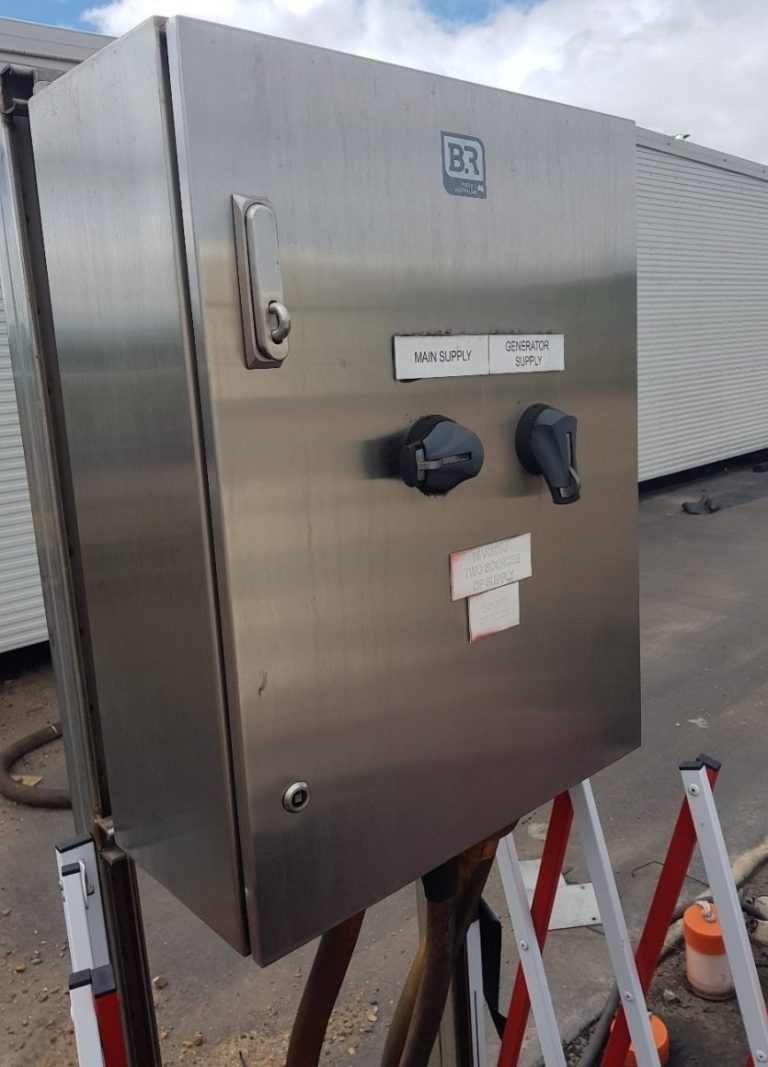
Consider a processing facility replacing an ageing switchboard. The new board needs to suit the connected loads, available fault level and existing protection scheme. The project team also needs to know how the old equipment will be isolated, how existing circuits will transfer and what can realistically be completed during the available shutdown.
That engineering work starts well before anyone removes the old board.
BRS Electrical supports this type of work through electrical engineering, electrical drafting, auditing and compliance and control and automation.
Having the engineering and drawings developed with the same site information also reduces a common brownfield problem. The design says one thing, the drawings say another, and the difference isn’t discovered until work reaches site.
Electrical Design and System Upgrades
A change that looks small on a project scope can have wider electrical consequences.
Say a mine wants to install a larger motor on an existing system. The engineer can’t just specify the motor and move on. The existing cable needs to be checked. The switchboard has to be suitable. Protection settings may need review. Starting requirements and fault levels may also affect the design.
The same thinking applies to switchboard replacements, additional process equipment, pumping upgrades and changes to distribution systems.
BRS Electrical has completed projects involving HV switchboard upgrades and BMA switchboard inspection and upgrade work.
For the client, the value is practical. The proposed equipment needs to work with the electrical network that’s already there, not just meet the requirements shown on a new drawing.
Power System Studies and Electrical Safety
Some answers need calculations, not assumptions.
If a facility adds generation, replaces major electrical equipment or changes the way its network operates, engineers may need to assess how the system will behave under normal and fault conditions.
BRS Electrical has completed power system modelling and arc flash analysis projects.
The findings can affect real design decisions. A study might identify equipment that needs a different rating, protection settings that require review or a proposed network arrangement that needs to change before construction.
This is why these studies are most useful while there is still time to act on the results.
Electrical Engineering Consulting for Mining
BRS Electrical’s mining experience goes back further than the current business name.
Its predecessor, Bob Rudge Services, began electrical drawing work for the UTAH Mining Group at Goonyella Riverside and Peak Downs Mine in Queensland in 1988. That relationship continued as UTAH transitioned to BHP and later BMA. BRS Electrical continues to work with BMA and other mining companies in the Bowen Basin.
That history matters because mine sites rarely offer perfect project conditions.
Existing infrastructure may have been altered several times. Shutdown time can be limited. Drawings may not reflect every change made over the life of the plant. New equipment still has to integrate with what remains in service.
On a mining project, electrical engineers Brisbane based may be working on switchboards, substations, processing facilities, conveyors, pumping systems, electrical drawings or power system studies.
The engineering has to reflect what is physically installed and how the operation needs to run.
Consulting for Oil and Gas Facilities
Oil and gas projects can add hazardous area requirements to the normal electrical design work.
Where combustible or flammable materials are stored, transferred or processed, electrical equipment and installation requirements need to suit the classified area. That can involve reviewing hazardous area classifications, equipment selection and the electrical design around those areas.
BRS Electrical provides hazardous area engineering services and has experience with combustible and flammable liquid storage and handling installations.
Its oil and gas work includes experience associated with organisations such as IOR, BP, Caltex and Shell Company Australia.
If you’re comparing electrical engineering companies Brisbane wide for this type of facility, ask about direct hazardous area and industrial experience. General electrical design experience isn’t the same as working around fuel storage, processing equipment and classified areas.
Water and Wastewater Electrical Engineering
At a water or wastewater facility, an electrical upgrade often has to happen around infrastructure that needs to keep operating.
A motor control centre replacement is a good example. Pumps and process equipment may depend on that board, so the engineering isn’t limited to choosing replacement equipment. Existing circuits, control interfaces, isolation requirements and the changeover need to be understood before site work begins.
BRS Electrical works across the water and wastewater industry. Its project portfolio includes the Teddington Water Treatment Plant upgrade and Bribie Island STP MCC project.
BRS Electrical has also worked with water utilities and operators including Wide Bay Water, Seqwater, Urban Utilities and Sunwater.
For asset managers, accurate drawings after the work are particularly useful. The next engineer shouldn’t have to start by working out which parts of the documentation still match the plant.
Why Electrical Drafting Matters
A technically correct design isn’t much help if the site documentation doesn’t clearly show what needs to be built.
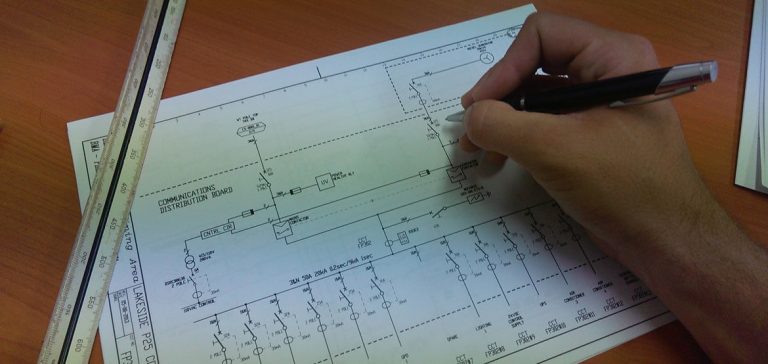
Electrical drawings record the information contractors, operators and maintenance teams need to understand the system. Depending on the project, that can include single line diagrams, schematics, wiring information, equipment details and updates to existing drawings.
BRS Electrical provides dedicated electrical drafting services alongside its engineering work.
Brownfield sites make drawing quality especially important.
A facility might have twenty years of modifications behind it. If some changes were never captured properly, the drawings may no longer represent the installed system. Before another upgrade is designed, those discrepancies need to be identified rather than carried into the next revision.
When Should You Engage an Electrical Engineering Consultant?
Bring an electrical engineering consultant in before the major equipment and construction decisions are locked in.
For example, a plant planning to add a large new load should know whether its existing switchboard, cables and protection arrangements can support that load before the equipment is ordered.
The same applies to an ageing switchboard replacement. Early engineering can establish what is connected, what needs to remain operational and whether other parts of the network need modification at the same time.
Other common triggers include inaccurate electrical drawings, planned plant expansions, power system concerns, hazardous area work, compliance reviews and electrical assets approaching replacement.
For organisations comparing Brisbane electrical engineering companies, the question isn’t simply whether a consultant can produce a design. It’s whether they understand the type of plant you’re operating and the constraints that will affect the work once it reaches site.
What to Look for in an Electrical Engineering Consultant
Start with projects, not claims.
If you’re running a mine, ask what mining infrastructure the consultant has worked on. If you’re replacing a switchboard, look for previous switchboard projects. For hazardous area work, check whether the team has direct experience with the types of facilities and materials involved.
BRS Electrical’s project portfolio covers mining, oil and gas, water and wastewater, hazardous areas, switchboard upgrades, electrical auditing and power system work.
Repeat work is another useful indicator. Around 80 per cent of BRS Electrical’s work comes from repeat business. For industrial engineering, where clients see how a design performs after it leaves the office and reaches site, repeat engagements carry weight.
Some engineering consulting firms cover many disciplines and industries. Others specialise. If the project involves an operating industrial electrical system, experience with comparable assets is more useful than a long list of unrelated capabilities.
The same applies to electrical engineering consulting Australia wide. A consultant may be based in Brisbane while supporting projects elsewhere, but the relevant question remains the same. Have they dealt with this type of plant, equipment and operating constraint before?
Talk to BRS Electrical About Your Next Project
BRS Electrical provides electrical engineering in Brisbane services for mining, oil and gas, water and wastewater, and industrial automation projects.
The team works across electrical design, drafting, switchboard upgrades, power system studies, auditing, hazardous areas and control systems. Its experience includes long term mining work in Queensland as well as industrial projects across Australia.
If you’re replacing electrical assets, adding new equipment or planning changes to an operating facility, call BRS Electrical at 07 3258 1000 or reach out via the contact page to discuss the project before the design and equipment decisions are locked in.
Frequently Asked Questions
What does an electrical engineering consultant do?
An electrical engineering consultant assesses electrical requirements and develops the technical design needed for a project. On an industrial site, that can include reviewing existing systems, checking equipment and loads, designing upgrades, carrying out power system studies and preparing electrical documentation.
When should an industrial business hire an electrical engineering consultant?
Ideally, before major equipment is ordered or construction decisions are fixed. This gives the engineer time to check whether existing switchboards, cables, protection and other electrical assets can support the proposed change.
Can an electrical engineering consultant work on an existing plant?
Yes. Brownfield projects are a significant part of industrial electrical engineering. The engineer may need to verify existing equipment, compare drawings with site conditions and work out how new equipment can connect to the existing network.
Why do electrical drawings need to be checked before an upgrade?
Older facilities can accumulate modifications that aren’t fully reflected in their drawings. If the design team relies on outdated information, discrepancies may only appear during construction. Checking the existing system first gives the new design a more reliable starting point.
Does BRS Electrical work on mining projects?
Yes. BRS Electrical and its predecessor have a long history in Queensland mining. The business continues to work with BMA and other mining companies in the Bowen Basin, with experience across electrical drawings, switchboards and other mining electrical infrastructure.
Does BRS Electrical provide electrical engineering outside Brisbane?
Yes. BRS Electrical is based in Murarrie, Brisbane, and provides electrical engineering services throughout Australia and internationally.
What should I look for when choosing an industrial electrical engineering consultant?
Look for direct experience with your type of facility and the electrical work you’re planning. Previous projects involving similar switchboards, power systems, hazardous areas or operating constraints are more informative than broad claims about engineering capability.